The federal tax credit for installing EV charging equipment is still available, but the deadline is now much closer than originally expected. The 30C Tax Credit, officially called the Alternative Fuel Vehicle Refueling Property Credit, had previously been extended through December 31, 2032. Under updated federal law, eligible EV charger installations now need to be placed in service by June 30, 2026.
That change makes timing much more important for homeowners, businesses, and organizations considering an EV charger project. It is not enough to order equipment or sign a contract before the deadline. The charger generally needs to be installed and ready for use by June 30, 2026, to qualify.

What Changed With The 30C Tax Credit?
The 30C Tax Credit has been one of the most important federal incentives for EV charger installations. The Inflation Reduction Act renewed and expanded the credit, making it available for qualifying projects installed after December 31, 2021. At the time, the credit was expected to remain available through the end of 2032.
That end date has changed. The credit is now available for eligible EV charging equipment placed in service from January 1, 2023, through June 30, 2026. After that date, the federal credit is scheduled to expire unless Congress makes another change.
See IRS 30C Tax Credit Guidance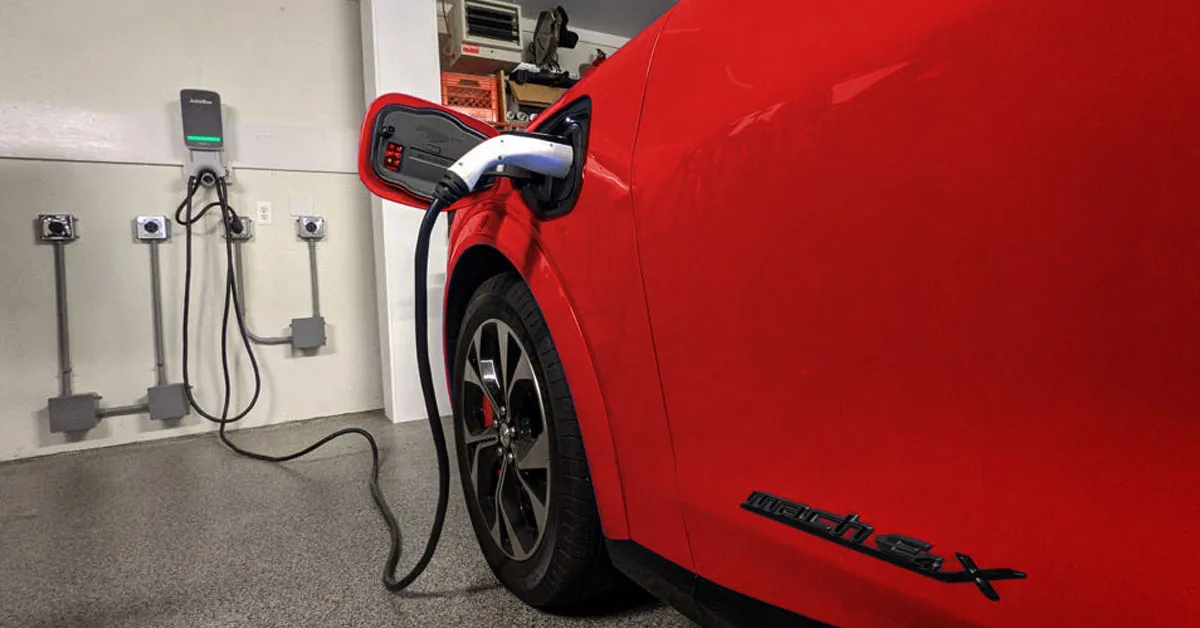
Federal Tax Credit For Home EV Charger Installations
Homeowners may qualify for a federal tax credit for installing EV charging equipment at their main home. For residential installations, the credit equals 30% of the cost, up to a maximum credit of $1,000 per item. The IRS states that each charging port is treated as a separate item.
The credit can apply to both the EV charger equipment and installation costs, but there are important restrictions. For projects placed in service after December 31, 2022, the property must be installed in an eligible census tract. These are generally low-income or non-urban census tracts.
The Department of Energy provides a locator tool to help determine whether a location may qualify for the 30C Tax Credit. Homeowners should still confirm eligibility with a tax professional before relying on the credit.
See The DOE 30C Tax Credit Eligibility LocatorBusinesses Can Still Qualify Too
Businesses and other organizations can also qualify for the 30C Tax Credit for EV charger installations. For qualified property placed in service at a business or organization, the base credit is 6% of the cost, up to $100,000 per item.
Businesses and organizations may be eligible for a larger 30% credit, with the same $100,000 per-item cap, if the project meets prevailing wage and apprenticeship requirements. These labor requirements can be significant, so businesses should review them early in the planning process.
Like residential projects, business installations must also be located in eligible census tracts. Tax-exempt and governmental entities may also be able to use the credit through direct pay rules, but they should review IRS guidance and consult their tax advisor.
Why The June 30, 2026 Deadline Matters
The deadline is based on when the charging equipment is placed in service. In practical terms, that generally means the installation is complete and the equipment is ready to use. Starting the project before the deadline may not be enough if the charger is not operational until after June 30, 2026.
That is especially important for commercial charger installations, where projects can take months. Site design, utility coordination, permitting, make-ready work, equipment lead times, installation schedules, inspections, and commissioning can all add time. Waiting too long may make it difficult to complete a project before the federal credit expires.
Home installations are usually faster, but homeowners should still avoid waiting until the last minute. Contractor availability and local permitting timelines can vary widely.
How To Claim The Federal Tax Credit For EV Chargers
The 30C Tax Credit is claimed on your federal tax return using IRS Form 8911. You should keep documentation showing the cost of the EV charging equipment, installation expenses, the location of the project, and when the equipment was placed in service.
Tax rules can be complicated, especially for business installations, tax-exempt organizations, multi-port projects, and projects that may involve prevailing wage and apprenticeship requirements. Talk to a qualified tax advisor before making financial decisions based on the credit.
See IRS Form 8911Tax Credit Versus Tax Deduction
The 30C incentive is a tax credit, not a tax deduction. That distinction matters. A tax credit is a dollar-for-dollar reduction of tax liability, while a deduction reduces taxable income and is affected by the taxpayer's tax rate.
For example, a $1,000 tax credit can reduce the taxes owed by $1,000. A $1,000 deduction would only reduce taxes by a percentage of that amount, depending on the taxpayer's tax bracket. That is why tax credits are usually more valuable than deductions.
Do Not Forget About State And Utility Rebates
The federal tax credit is only one incentive available for EV charger installations. Many customers may also qualify for rebates from their state, utility, county, regional organization, or municipality. These programs can often be combined with the federal credit, depending on the rules of each program.
EV charger rebate coverage is currently at one of its highest levels, but programs can change quickly. Funding can run out, eligibility rules can shift, and some programs may require specific charger models or networks. Before starting a project, it is worth checking which rebates are available in your area.
Use the tool below to see what EV charger rebates and incentives may be available to you.