Puget Sound Energy Rebates for Residential EV Chargers
Last updated: September 03, 2026
One of the biggest hurdles new electric car buyers face is how they will they top up their electric car between drives. While Washington ranks #6 in the US for the number of publicly available EV Chargers, the convenience of being able to charge your electric car at home is hard to beat. These chargers can cost quite a bit though.
Luckily, across the US, there are rebates, grants, and incentives that might be available to help reduce your overall cost for installing an EV charger in your home.
Does Puget Sound Energy offer rebates for installing an EV Charger at my home?
Yes, Puget Sound Energy has a rebate program that may provide an incentive if you install a charger for an electric vehicle in a residential application. The program is called "PSE Up and Go Electric for Home Charging Program."
What type of EV chargers does the rebate cover?
The Puget Sound Energy rebate program covers Level 2 EV chargers. A Level 2 EV charger lets you charge up your electric vehicle much around five times faster. These chargers use 240V, or the type of electrical outlet you see for an electric dryer or stovetop. They add between 12 and 60 miles to your battery each hour.
Learn more about the types of EV Chargers
How much is the Puget Sound Energy rebate for EV charger installation?
The PSE Up and Go Electric for Home Charging Program offers a rebate of $300 - $600 per charger. The incentive may cover up to 100% of the material cost. There are 2 different rebates that may apply.
$300 per charger. Customers also have the option to purchase a charger through the PSE Marketplace and receive an instant discount.
$600 per charger. Customers may also receive up to $2,000 to cover the cost of installation. Customers also have the option to purchase a charger through the PSE Marketplace and receive an instant discount.
| Rebate Name | Rebate Amount | Notes | Link |
|---|---|---|---|
| Level 2 Charger | $300 per charger Capped at 100% of the material cost |
| Program Link |
| Level 2 Charger - Income Qualified | $600 per charger Capped at 100% of the material cost |
| Program Link |
How much does an EV charger cost?
An EV charger can cost $300 - $1,000 depending on the specific model and features you want. Unless you have a spare 240-volt outlet, you'll also have to pay for professional installation from an electrician. The installation cost will vary for each home, but a good rule of thumb is that it costs at least at much as the charger.
What EV chargers qualify for this rebate?
Some of these programs will only provide rebates for specific make and models of chargers. Make sure to read all the program documentation before making any commitment to purchasing a charger.
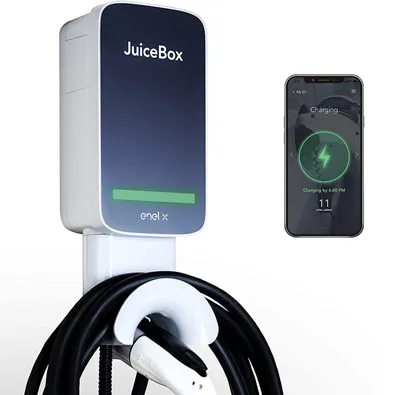
Here are some chargers that may qualify:

Where can I learn more about the Puget Sound Energy rebate for EV chargers?
You can learn all the details for PSE Up and Go Electric for Home Charging Program at the link below.
Go to Puget Sound Energy's WebsiteDo businesses qualify for this EV charger rebate?
Businesses, non-profits, and multi-family facilities are considered commercial accounts by many utilities. Commercial accounts have different rebate programs to use than residential accounts. Rebates4EVChargers only shows residential rebates.
Additional information
Federal Tax Credit for EV Chargers Expires Soon
The 30C Tax Credit for EV chargers now has a much shorter deadline. Qualifying chargers must be placed in service by June 30, 2026, to be eligible.
Continue reading
Federal Tax Credit for EV Chargers Renewed
The Inflation Reduction Act just extended the 30C Tax Credit for installing EV chargers. Homeowners get a credit for up to 30% of the cost up to $1,000.
Continue readingDisclaimer: The information above is provided as an informational resource. Rebates4EVChargers does not provide any warranties or representations as to, and will not be responsible for, the accuracy or correctness of the rebate information. Contact your rebate provider for the most current information. As an Amazon Associate, Rebates4EVChargers may earn commissions from qualifying purchases.