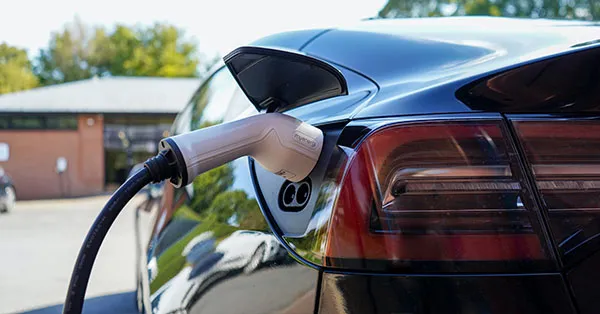
PSEG Rebates for Residential EV Chargers
Last updated: September 24, 2026
One of the biggest hurdles new electric car buyers face is how they will they top up their electric car between drives. While New Jersey ranks #9 in the US for the number of publicly available EV Chargers, the convenience of being able to charge your electric car at home is hard to beat. These chargers can cost quite a bit though.
Luckily, across the US, there are rebates, grants, and incentives that might be available to help reduce your overall cost for installing an EV charger in your home.
Does PSEG offer rebates for installing an EV Charger at my home?
Yes, PSEG has a rebate program that may provide an incentive if you install a charger for an electric vehicle in a residential application. The program is called "PSE&G Electric Vehicle Charging Program."
What type of EV chargers does the rebate cover?
The PSEG rebate program covers Level 2 EV chargers. A Level 2 EV charger lets you charge up your electric vehicle much around five times faster. These chargers use 240V, or the type of electrical outlet you see for an electric dryer or stovetop. They add between 12 and 60 miles to your battery each hour.
Learn more about the types of EV Chargers
How much is the PSEG rebate for EV charger installation?
The PSE&G Electric Vehicle Charging Program offers a rebate of $0 - $1,500 per charger. The incentive may cover up to 100% of the make-ready cost. There are 4 different rebates that may apply.
Customers are eligible for free nightly charging from 11:00PM - 6:00AM every day (capped at 250 kWh per month). The amount of kWh used during this time will multiplied by the customer's electric rate and then reimbursed at the end of each quarter via check.
$50 per charger. Customers will receive $50 for signing for a Clearview ClearCharge plan. They are also eligible for free nightly charging from 11:00PM - 6:00AM every day (capped at 250 kWh per month).
$50 per charger. Events will only take place from June 1 to Oct 31, on weekdays between 10 am and 10 pm Must be connected to a reliable, always-on Wi‑Fi network.
$1,500 per charger. The rebate will also cover up to $5,000 of pole to meter utility service upgrades (if needed). Incentive will be a utility bill credit. Must use a New Jersey-licensed electrician, or be self-installed with permit and inspection.
| Rebate Name | Rebate Amount | Notes | Link |
|---|---|---|---|
| Home EV Charger | 100% of the material cost |
| Program Link |
| Home EV Charger | $50 per charger Capped at 100% of the material cost |
| Program Link |
| FlexPower Rebate | $50 per charger Capped at 0% of the |
| Program Link |
| Residential Smart Chargers | $1,500 per charger Capped at 100% of the make-ready cost |
| Program Link |
How much does an EV charger cost?
An EV charger can cost $300 - $1,000 depending on the specific model and features you want. Unless you have a spare 240-volt outlet, you'll also have to pay for professional installation from an electrician. The installation cost will vary for each home, but a good rule of thumb is that it costs at least at much as the charger.
What EV chargers qualify for this rebate?
Some of these programs will only provide rebates for specific make and models of chargers. Make sure to read all the program documentation before making any commitment to purchasing a charger.
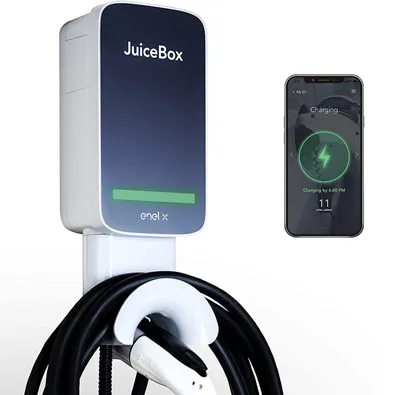
Here are some chargers that may qualify:

Where can I learn more about the PSEG rebate for EV chargers?
You can learn all the details for PSE&G Electric Vehicle Charging Program at the link below.
Go to PSEG's WebsiteWhat other rebates or incentives might be available for installing an EV charger in my home in PSEG territory?
There is 1 other program that might apply to you. See the details below.
Charge Up NJ
NJ State Program
New Jersey has a program that offers rebates for installing a residential EV charger.
See DetailsDo businesses qualify for this EV charger rebate?
Businesses, non-profits, and multi-family facilities are considered commercial accounts by many utilities. Commercial accounts have different rebate programs to use than residential accounts. Rebates4EVChargers only shows residential rebates.
Additional information
EV Charger Rebate Trends for 2025
Despite recent changes in federal policy and rising uncertainty, rebate programs remain a powerful opportunity for those who can navigate them effectively. In fact, the number of open rebate programs increased by 11% this year. Those programs cover 78% of the US.
Continue reading
All about rebates for home EV chargers
Roughly on third of the US has a rebate available for installing an EV charger in your home. That's on top of the Federal tax incentive that's available. Learn all about residential EV charger rebates.
Continue reading
Disclaimer: The information above is provided as an informational resource. Rebates4EVChargers does not provide any warranties or representations as to, and will not be responsible for, the accuracy or correctness of the rebate information. Contact your rebate provider for the most current information. As an Amazon Associate, Rebates4EVChargers may earn commissions from qualifying purchases.